
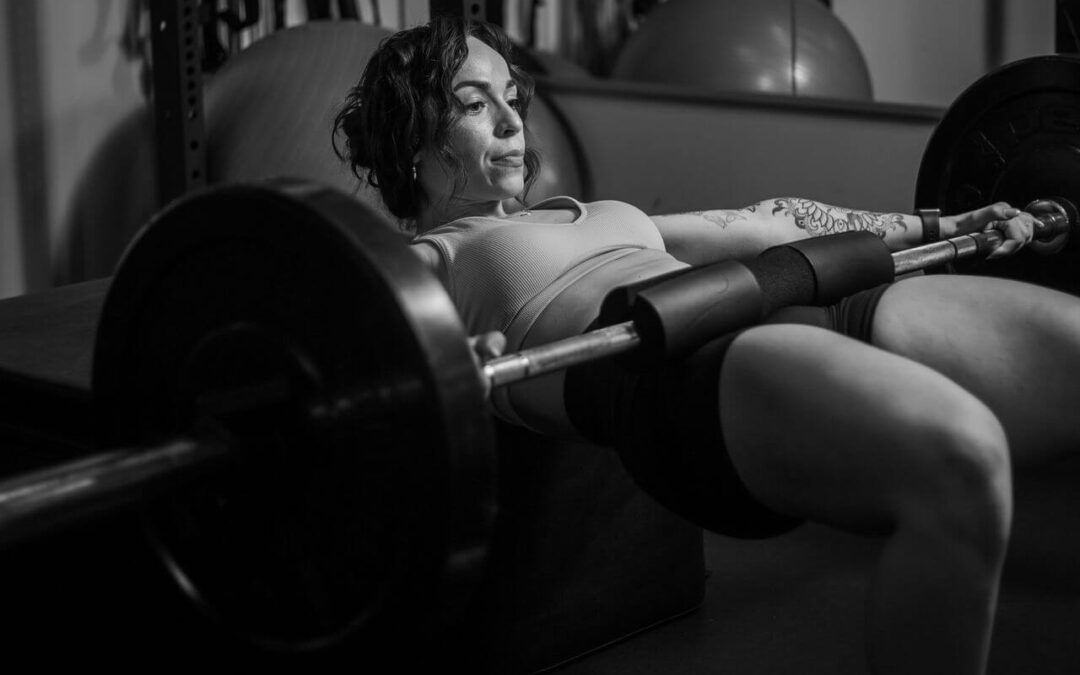
Menopause is getting well-deserved attention in the fitness industry, and for good reason. The transition through perimenopause and menopause can bring changes to bone density, muscle mass, strength, recovery and body composition.
One message increasingly appearing on social media is that women in midlife need to lift extremely heavy weights to protect their bones and maintain muscle.
But what does the research actually say?
The good news is that progressive strength training is one of the most valuable forms of exercise during midlife and beyond. However, there is more than one way to achieve meaningful results.
1. Bone density: why resistance training matters
Oestrogen plays an important role in maintaining bone health. As oestrogen levels decline during menopause, bone loss can accelerate, increasing the risk of osteopenia and osteoporosis.
Research supports resistance training as an important strategy for maintaining bone mineral density.
A 2025 systematic review and meta-analysis of 17 randomised controlled trials involving 690 postmenopausal women found improvements in bone density at the lumbar spine, femoral neck and total hip following resistance training.
An interesting Australian study is the LIFTMOR trial, conducted by researchers at Griffith University. It investigated high-intensity resistance and impact training in postmenopausal women with low bone mass.
The eight-month program involved supervised training twice weekly, using loads greater than 85% of participants’ one-repetition maximum. Improvements in bone density and physical function were reported compared with a low-intensity home exercise program.
This is encouraging evidence for heavier resistance training, but it is important to understand that participants were screened and closely supervised. It does not mean every woman needs to start lifting at these intensities.
2. Muscle mass and strength: consistency matters
Maintaining muscle mass and strength becomes increasingly important as we age.
Resistance training can improve muscle strength, lean mass and functional capacity, helping maintain independence and making everyday activities easier.
You don’t necessarily need barbells or extremely heavy weights. Dumbbells, machines, cables, resistance bands and bodyweight exercises can all form part of an effective program.
The important principles are:
- Challenge your muscles appropriately.
- Use good technique and controlled movement.
- Gradually increase resistance, repetitions or exercise difficulty.
- Train consistently rather than relying on occasional intense sessions.
A 2023 systematic review of 12 randomised trials found potential benefits of resistance training for functional capacity and bone density in postmenopausal women. However, the authors noted that the overall certainty of evidence was low to very low, highlighting the need for further research.
3. Do you need to train to failure?
Another popular social media recommendation is that women during menopause must train every set to failure or very close to it.
There is no established requirement to do this.
Training with challenging loads is important, but exhausting yourself during every session is not necessary to stimulate improvements in strength and muscle.
The appropriate intensity depends on your experience, goals, exercise selection and ability to recover.
4. Recovery and individualised training
Sleep disturbances, fatigue, joint discomfort and other menopausal symptoms can influence how you feel during training.
This doesn’t mean you should stop challenging yourself. Instead, consider adjusting training volume, frequency, intensity and exercise selection when necessary.
For example, some weeks you may feel ready to increase your weights, while other weeks maintaining your current training loads may be more appropriate.
A good exercise program should adapt to your needs rather than follow a rigid formula.
5. What should your weekly exercise program include?
The 2024 RACGP and Healthy Bones Australia osteoporosis guidelines (published in 2025) recommend:
- Progressive resistance training at least twice per week.
- Weight-bearing impact exercise on most days, where appropriate.
- Challenging balance activities.
A well-rounded program may also include mobility work, cardiovascular exercise and power training, depending on your individual goals and physical capacity.
If you have osteoporosis, a previous fracture, significant joint problems or other health considerations, exercise selection and progression should be appropriately assessed.
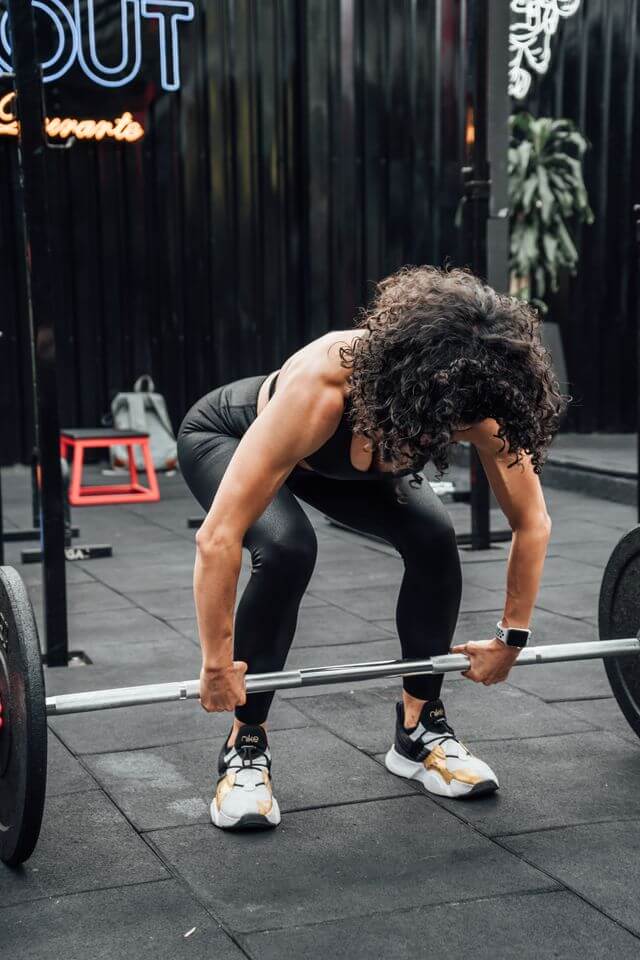
The bottom line: lift progressively, not fearfully
Strength training during perimenopause and menopause is about more than lifting the heaviest weights possible.
Heavy resistance training can be an excellent tool for improving strength and supporting bone health. However, it isn’t the only effective approach.
The most important things are to start at an appropriate level, challenge your muscles, progress over time and remain consistent.
You don’t need to train like an elite athlete to benefit from strength training. You need a program that challenges you appropriately and supports your long-term health.
Menopause isn’t a reason to stop challenging your body. It’s an opportunity to invest in your strength, mobility and physical independence for the decades ahead.
Got any questions? Reach me here!