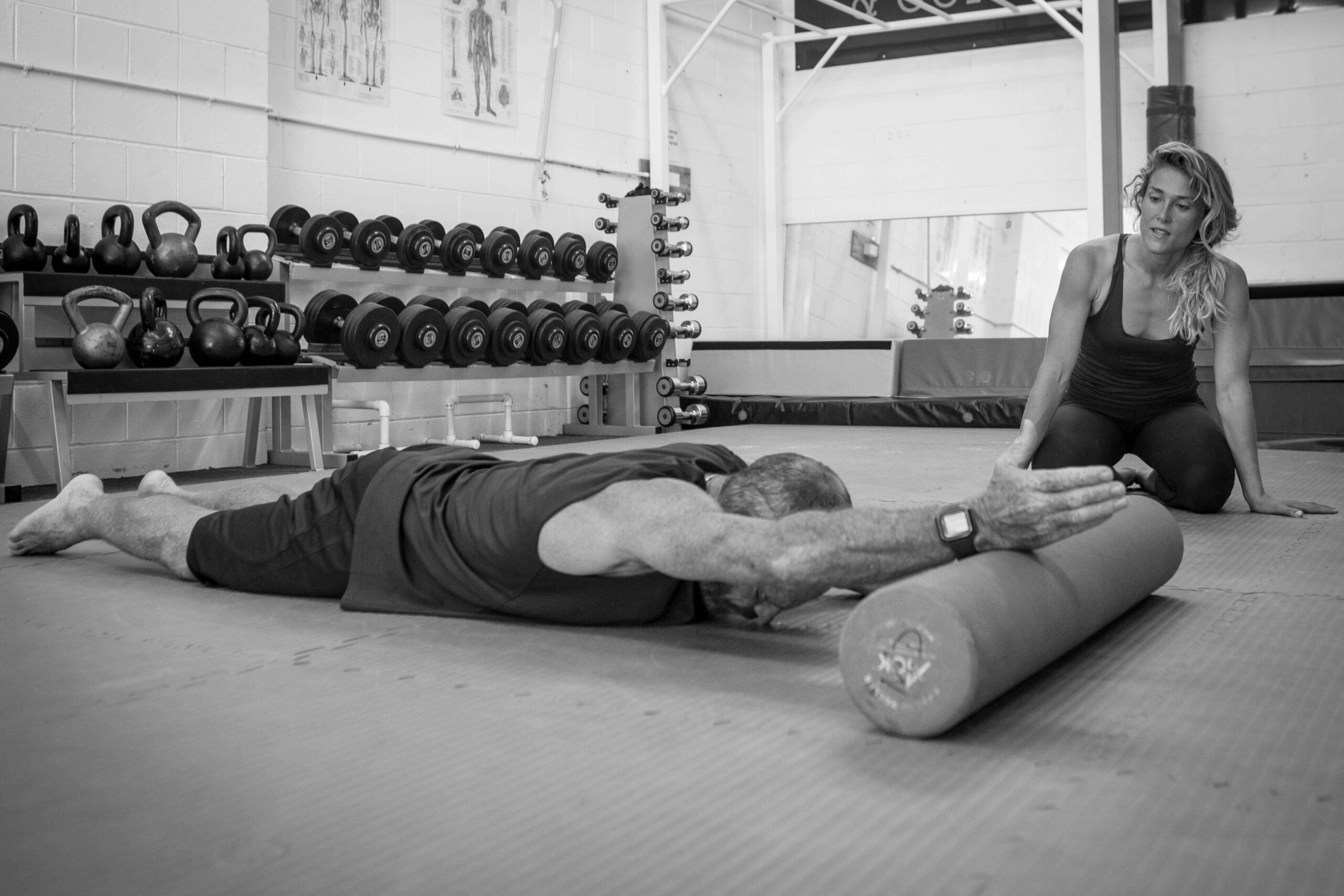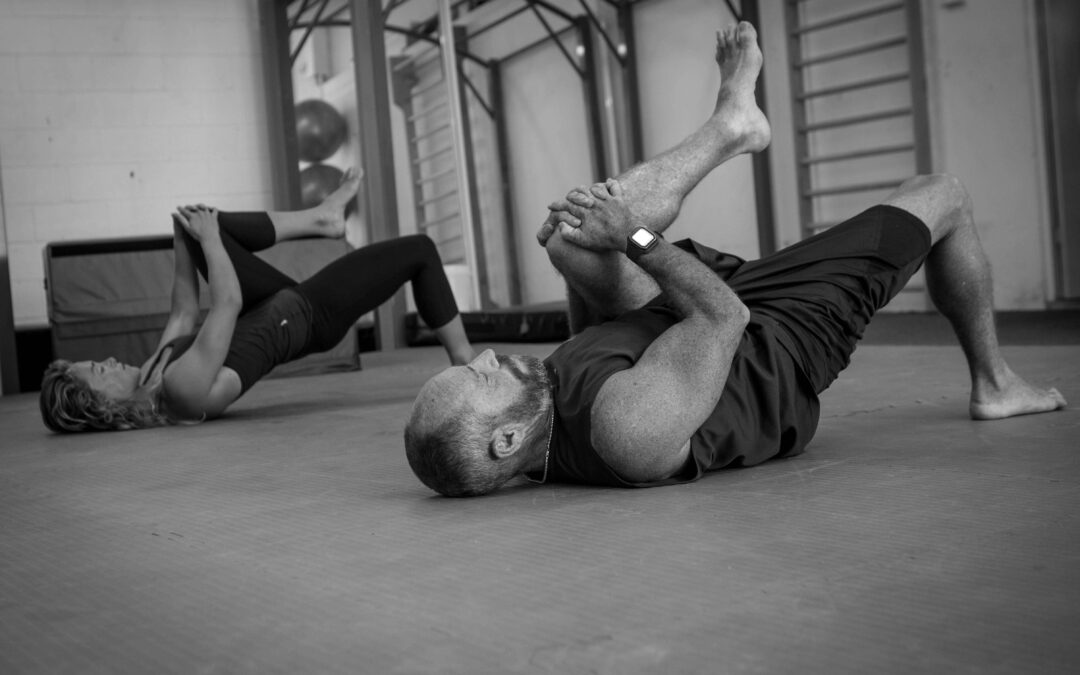
If you’ve spent time exploring mobility training online, you’ve probably come across both Kinstretch and PNF stretching. At first glance, they can seem very similar — both involve deep stretching, muscular contractions and improving range of motion.
But while they share some overlap, the goal behind each method is actually quite different.
What Is PNF Stretching?
PNF (Proprioceptive Neuromuscular Facilitation) stretching is an advanced flexibility technique originally developed in rehabilitation settings. It’s best known for the classic “contract-relax” method.
Typically, a muscle is placed into a stretch, then contracted isometrically for several seconds before relaxing deeper into the stretch. This is often performed with a partner, therapist or strap.
The primary goal of PNF stretching is to:
- increase passive flexibility,
- reduce muscular guarding,
- improve stretch tolerance,
- and temporarily increase range of motion.
In simple terms, PNF helps you move further into a position.
What Is Kinstretch?
Kinstretch takes a different approach. Rather than focusing mainly on passive flexibility, it emphasises active mobility — the ability to control and produce force throughout a joint’s available range of motion.
Created from the Functional Range Conditioning (FRC) system developed by Andreo Spina, Kinstretch combines mobility training with end-range strength work.
The central idea is simple:
Flexibility becomes more useful, durable and transferable when the body can actively control it.
Instead of just stretching into deeper positions, Kinstretch aims to help you own those positions.