
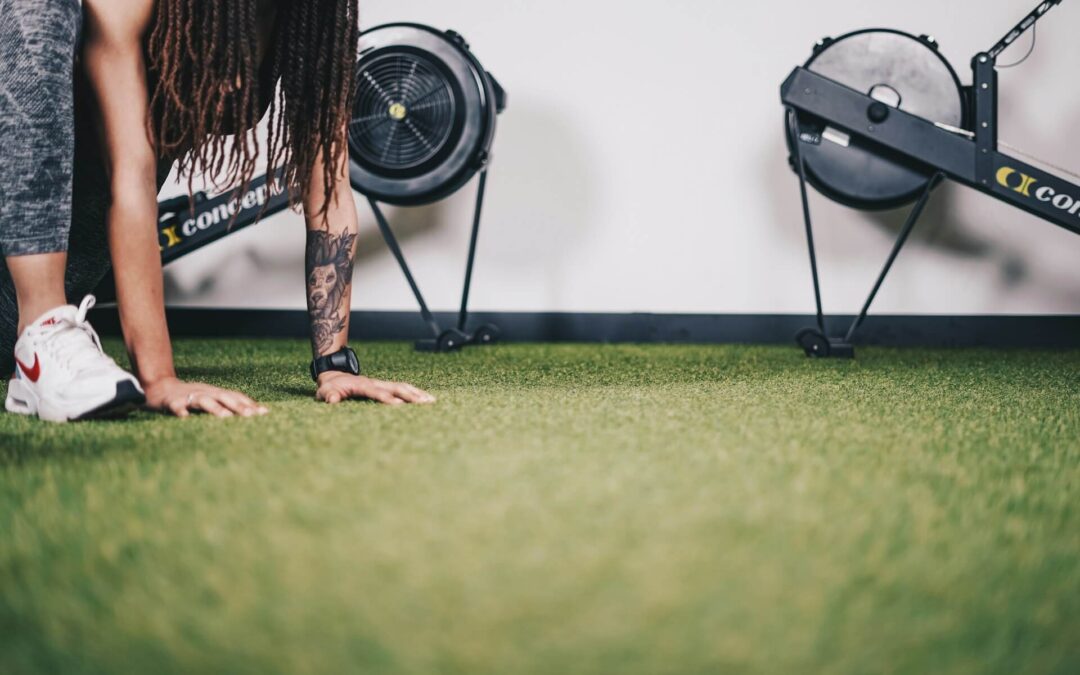
For years, fitness culture focused heavily on aesthetics — six-pack abs, weight loss and “summer body” transformations. But in 2026, the conversation is shifting. More people are embracing longevity training: exercise designed to improve quality of life, maintain independence and support healthy ageing.
Rather than chasing short-term appearance goals, longevity training prioritises muscle mass, balance, mobility, metabolic health, bone density and injury prevention. The aim is simple: stay strong, capable and healthy for decades to come.
One of the biggest drivers behind this shift is the growing body of research showing that strength training plays a critical role in healthy ageing. Adults naturally lose muscle mass and strength with age — a process known as sarcopenia — which can increase the risk of falls, fractures and loss of independence. However, resistance training has consistently been shown to slow or reverse many of these changes.
A major 2022 systematic review published in Sports Medicine found that progressive resistance training improved both muscle strength and bone mineral density in older adults. This is particularly important because declining bone density significantly increases osteoporosis and fracture risk later in life.
Longevity training also supports metabolic health. Building and maintaining lean muscle mass helps regulate blood sugar, improve insulin sensitivity and support a healthier metabolism. Research suggests regular resistance exercise may reduce the risk of chronic conditions such as type 2 diabetes and cardiovascular disease.
Another major focus is functional strength — training the body to perform everyday tasks more efficiently and safely. Exercises like squats, lunges, carries and step-ups help maintain mobility, coordination and balance, all of which are strongly linked to fall prevention and long-term independence. A large Cochrane review involving more than 6,700 participants found that progressive resistance training significantly improved physical function in older adults.
Women, in particular, are increasingly embracing strength training for longevity. Historically, women were often encouraged to prioritise cardio or low-resistance workouts. However, newer evidence shows resistance training benefits women across the lifespan, including post-menopausal women, by improving strength, lean muscle mass and body composition. A 2023 systematic review and meta-analysis involving more than 5,600 postmenopausal women found that resistance training significantly improved muscle mass and reduced fat mass, supporting healthy ageing and functional independence.
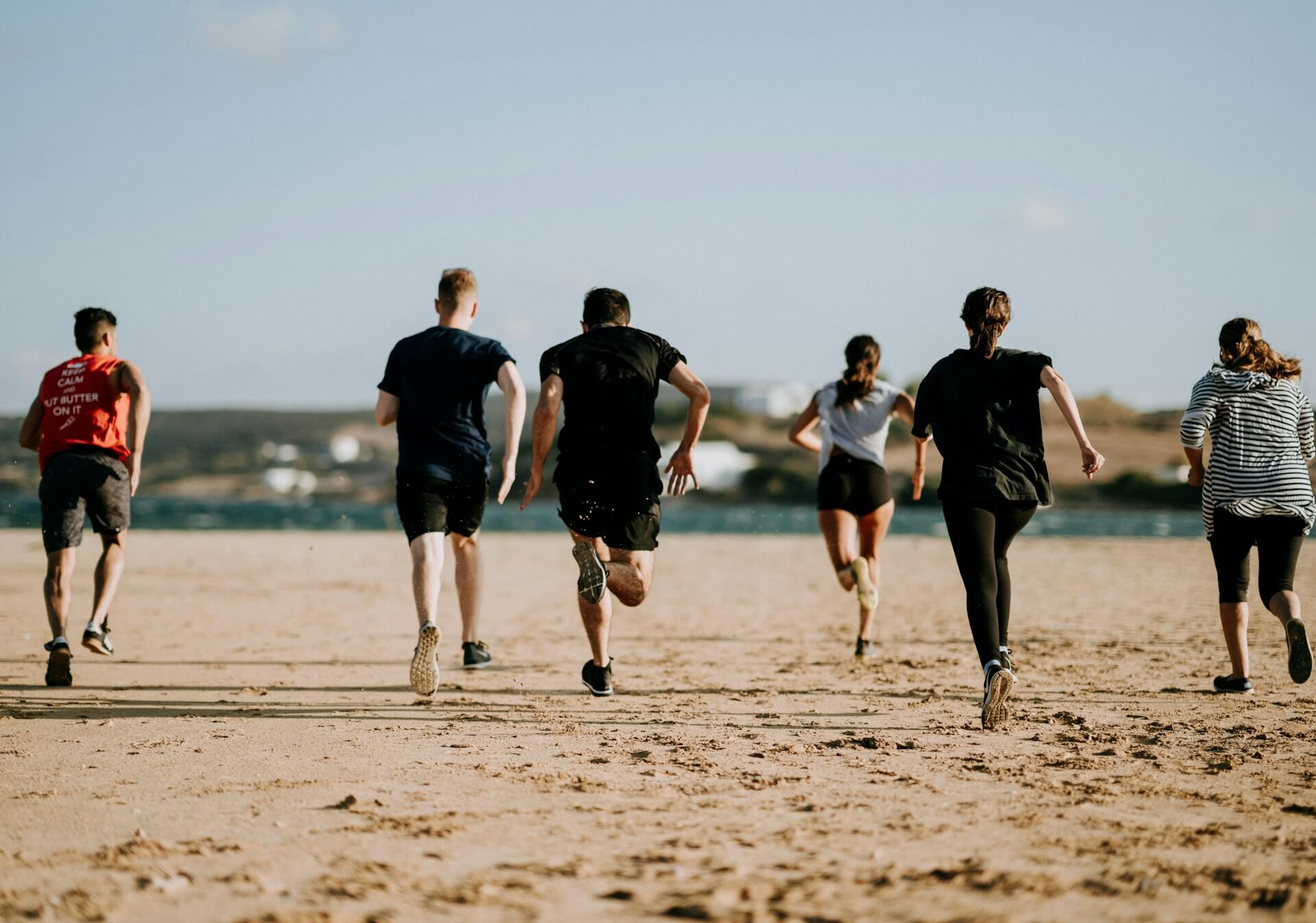
Importantly, longevity training is not about extreme workouts. It is about consistency, progressive overload and sustainable movement habits. Many experts now recommend combining: