
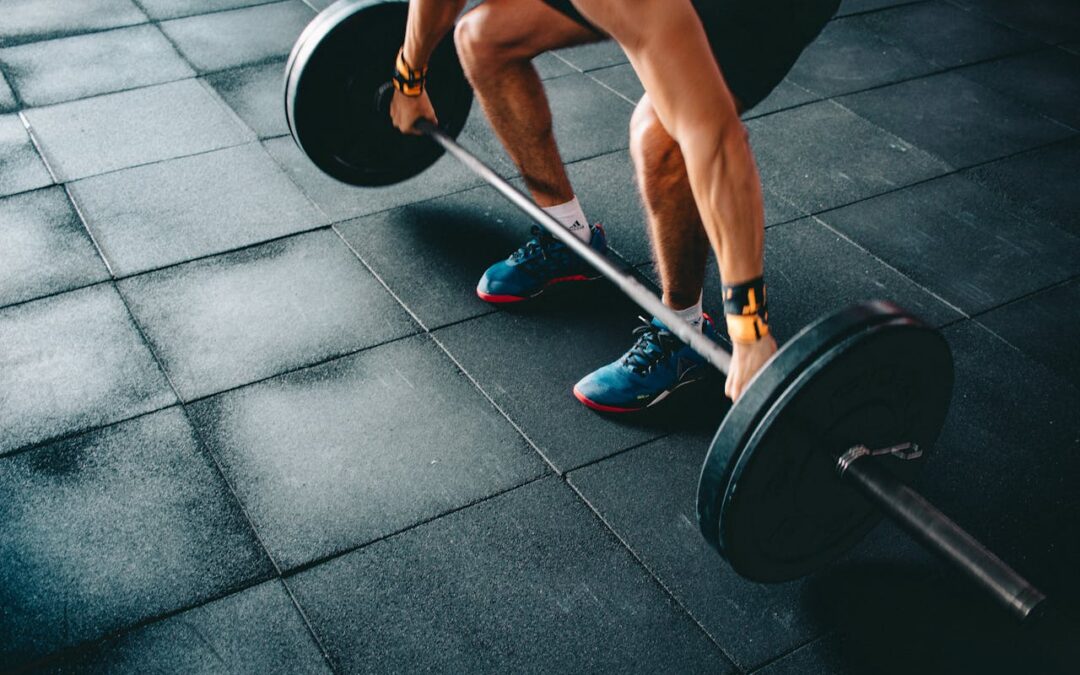
Breathing patterns during weightlifting are crucial not only for performance but also for protecting pelvic health. Two primary techniques are commonly discussed: the Valsalva manoeuvre and controlled exhalation during exertion.
The Valsalva Manoeuvre: Enhancing Core Stability
The Valsalva maneuver involves taking a deep breath and holding it while lifting, creating intra-abdominal pressure that stabilises the spine. This technique is prevalent among powerlifters and Olympic lifters aiming for maximal lifts. This is also a technique commonly taught by Strength and Conditioning Coaches.
Benefits:
-
Spinal Support: Increased intra-abdominal pressure provides rigidity to the torso, enhancing spinal stability during heavy lifts.
-
Performance Enhancement: By stabilising the core, lifters can generate more force, potentially lifting heavier weights.
Risks:
-
Pelvic Floor Strain: The increased pressure can strain the pelvic floor muscles, potentially leading to pelvic organ prolapse (POP) or exacerbating existing conditions.
-
Hemorrhoids: Elevated intra-abdominal pressure may cause or worsen hemorrhoids due to increased pressure on rectal veins.hemrid.com
A study highlighted that female resistance-trained athletes reported pelvic floor dysfunction (PFD) symptoms at rates up to 50%, particularly when lifting near their one-repetition maximum and employing the Valsalva manoeuvre.thepogp.co.uk
Controlled Exhalation: Protecting Pelvic Health
An alternative approach involves exhaling during the exertion phase of a lift. This method reduces intra-abdominal pressure, potentially decreasing the risk of pelvic floor issues. This is more commonly prescribed by some Physiotherapists and Exercise Physiologists.
Benefits:
-
Pelvic Floor Protection: Lower intra-abdominal pressure lessens the strain on pelvic organs and rectal veins, reducing the risk of POP and hemorrhoids.
-
Blood Pressure Regulation: Continuous breathing helps maintain stable blood pressure, minimising the risk of dizziness or fainting.
Considerations:
-
Reduced Maximal Force: Without the added stability from the Valsalva manoeuvre, lifters might experience a slight decrease in maximal lifting capacity.
- Reduced Core Stability and therefore higher risk of injury to the lower spine. Controlled exhalation during the lift can reduce intra-abdominal pressure (IAP), which plays a major role in spinal stiffness and support. In theory, this could reduce core stability and increase the risk of lumbar spine injury during heavy lifts — especially in lifts like squats or deadlifts where spinal loading is significant.
-
Research Insight:
-
McGill (2007), a leading spine biomechanist, found that intra-abdominal pressure generated by breath-holding (Valsalva maneuver) significantly contributes to spinal stability, reducing shear forces on the spine and enhancing performance in heavy lifting.
📚 McGill SM. Low back disorders: evidence-based prevention and rehabilitation. Human Kinetics; 2007.
-
Similarly, a 2013 study published in Sports Medicine concluded that the Valsalva maneuver enhances trunk stiffness and improves lifting capacity, but with caveats for those at risk of cardiovascular or pelvic complications.
📚 Hackett DA et al., “The Valsalva maneuver: its effect on intra-abdominal pressure and muscle activation in resistance exercise.” Sports Med. 2013.
Prevalence of Pelvic Floor Issues in Weightlifters
While specific Australian statistics are limited, studies indicate that resistance-trained female athletes experience PFD symptoms at notable rates. One study reported that symptoms of PFD may be as high as 50% in resistance training, especially when performing the Valsalva maneuver .thepogp.co.uk
Regarding hemorrhoids, holding one’s breath during heavy lifting increases intra-abdominal pressure, which can lead to the development or exacerbation of hemorrhoids. Read more here.
Recommendations for Lifters
-
Assess Individual Risk: Those with a history of pelvic floor issues or at higher risk should consider controlled exhalation during lifts.
-
Professional Guidance: Consult with healthcare providers or physiotherapists specialising in pelvic health to determine the most suitable breathing technique.
-
Pelvic Floor Training: Incorporate exercises to strengthen pelvic floor muscles, enhancing their ability to withstand intra-abdominal pressure.
-
Monitor Symptoms: Be vigilant for signs of pelvic discomfort or hemorrhoids and adjust training accordingly.
In conclusion, while the Valsalva manoeuvre can enhance lifting performance by stabilising the spine, it may increase the risk of pelvic floor issues and hemorrhoids. Controlled exhalation offers a safer alternative for those concerned about these risks. Lifters should evaluate their individual circumstances and consult professionals to determine the most appropriate technique.
✅ Valsalva May Be Better For:
-
Competitive lifters needing maximal stability and output.
-
Individuals lifting near or above 80–85% of their one-rep max.
-
Well-trained lifters with healthy cardiovascular and pelvic systems.
✅ Exhaling During Effort May Be Better For:
-
Beginners or recreational lifters.
-
Individuals with a history (or risk) of: Pelvic organ prolapse, Hemorrhoids, Hypertension and/or Cardiovascular concerns.
A Balanced Middle Ground: “Breath Bracing”
Some coaches and physiotherapists recommend a modified breath strategy:
-
Take a deep breath and gently brace the core without full Valsalva.
-
Exhale slightly through pursed lips or with a controlled hiss during the sticking point of the lift.
-
This can maintain some IAP while avoiding complete pressure spikes that strain the pelvic floor.
Summary
❗Yes, exhaling during the hardest part of the lift may reduce core stability and slightly increase spinal injury risk, especially under high loads.
❗However, the Valsalva manoeuvre increases pelvic and vascular pressure, posing a different set of risks.
✅ The safest and most effective strategy depends on your goals, health profile, and training intensity.
Got any questions? Reach me here!